
Best Cookware for Induction Cooktops: What To Look For Before You Buy
The right induction cookware gives you fast response, even heating, and the control to cook with confidence. For most home kitchens, clad stainless steel is the most versatile choice, but the best cookware for induction cooktops depends on what you cook most often. Whether you're searing steaks, simmering sauces, or cooking delicate eggs, different materials excel at different tasks. This guide explains how induction cookware works, compares the leading materials, and helps you choose the best induction cookware for your kitchen.
What Makes Cookware Induction-Compatible?
Induction cooktops use a magnetic field to heat compatible cookware directly rather than radiating heat from the stovetop. Because the cookware itself generates the heat, not every pot or pan will work on an induction cooktop.
Keep these induction basics in mind:
- Induction cooktops only work with cookware that contains magnetic material.
- The cookware heats directly, so temperature changes happen quickly.
- The cooking surface can still become warm from contact with hot cookware.
What To Look for in Induction-Ready Cookware
Compatibility is only the starting point. The best induction cookware also delivers even heating, comfortable handling, and lasting durability.
- A magnetic base: The cookware needs a magnetic base so the cooktop can recognize and heat it.
- A flat, stable base: Flat cookware makes consistent contact with the cooking zone for more reliable heating.
- The right size: Match the cookware base as closely as possible to the induction cooking zone. Very small pans may not activate the burner, while oversized cookware can reduce heating efficiency.
- Quality construction: Well-built cookware distributes heat more evenly while improving balance, durability, and overall cooking performance.
- Clear manufacturer specifications: Don't assume cookware is induction-compatible based on its material alone. Always verify the manufacturer's specifications before purchasing.
How To Test Your Cookware for Induction Compatibility
Test the pots and pans you already own before investing in a new induction cookware set. You may only need to replace a few incompatible pieces rather than your entire collection.
- Try the magnet test. Place a refrigerator magnet against the outside bottom of the cookware. A strong attraction usually indicates induction compatibility, while little or no attraction usually means the cookware won't work directly on an induction cooktop.
- Check the cookware's base and specifications. Look for the induction symbol or the manufacturer's compatibility language, then inspect the base for flatness, damage, or residue. A warped or dirty base can affect performance even if the cookware is induction compatible.
Best Induction Cookware Materials
Induction cooktops transfer heat efficiently, but the cookware material still shapes the cooking experience. Some pans respond quickly to temperature changes, while others hold heat for steady searing, braising, or baking. Here's how the leading induction-compatible materials compare.
|
Material |
Induction Performance |
Considerations |
|
Stainless steel |
Fast, even heating with quality clad construction |
Performance depends on cookware construction, not just the steel itself. |
|
Carbon steel |
Responds quickly to temperature changes |
Develops a seasoned cooking surface but requires regular maintenance. |
|
Cast iron |
Retains heat exceptionally well |
Lift rather than slide on glass induction cooktops. |
|
Titanium-Fused / Induction-Ready Nonstick |
Heats evenly when built for induction |
Verify induction compatibility before purchasing. |
|
Copper-clad |
Highly responsive with an induction-compatible core |
Only induction-compatible copper cookware will work. |
|
Hard-anodized |
Performance depends on the magnetic base |
Not all hard-anodized cookware is induction-compatible. |
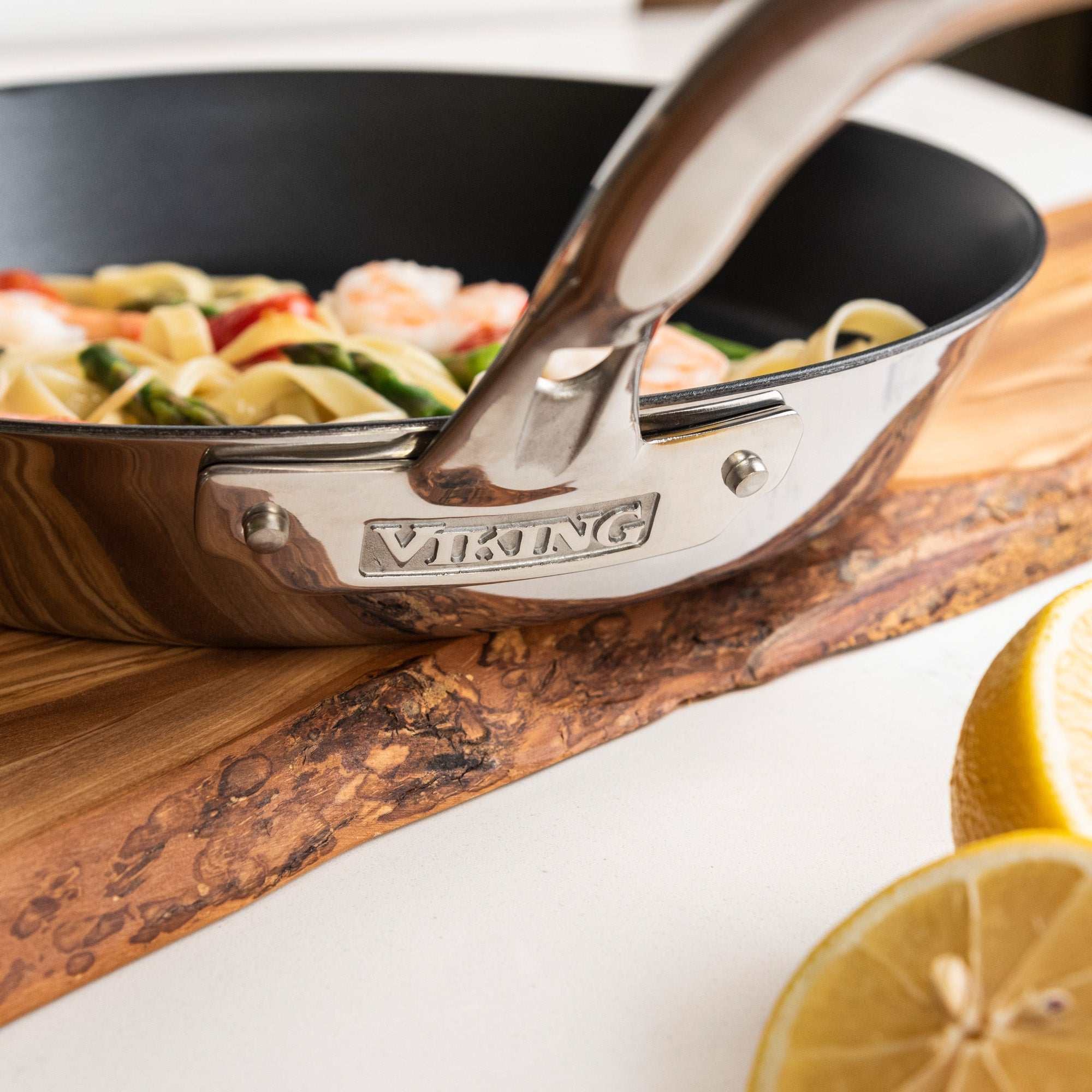
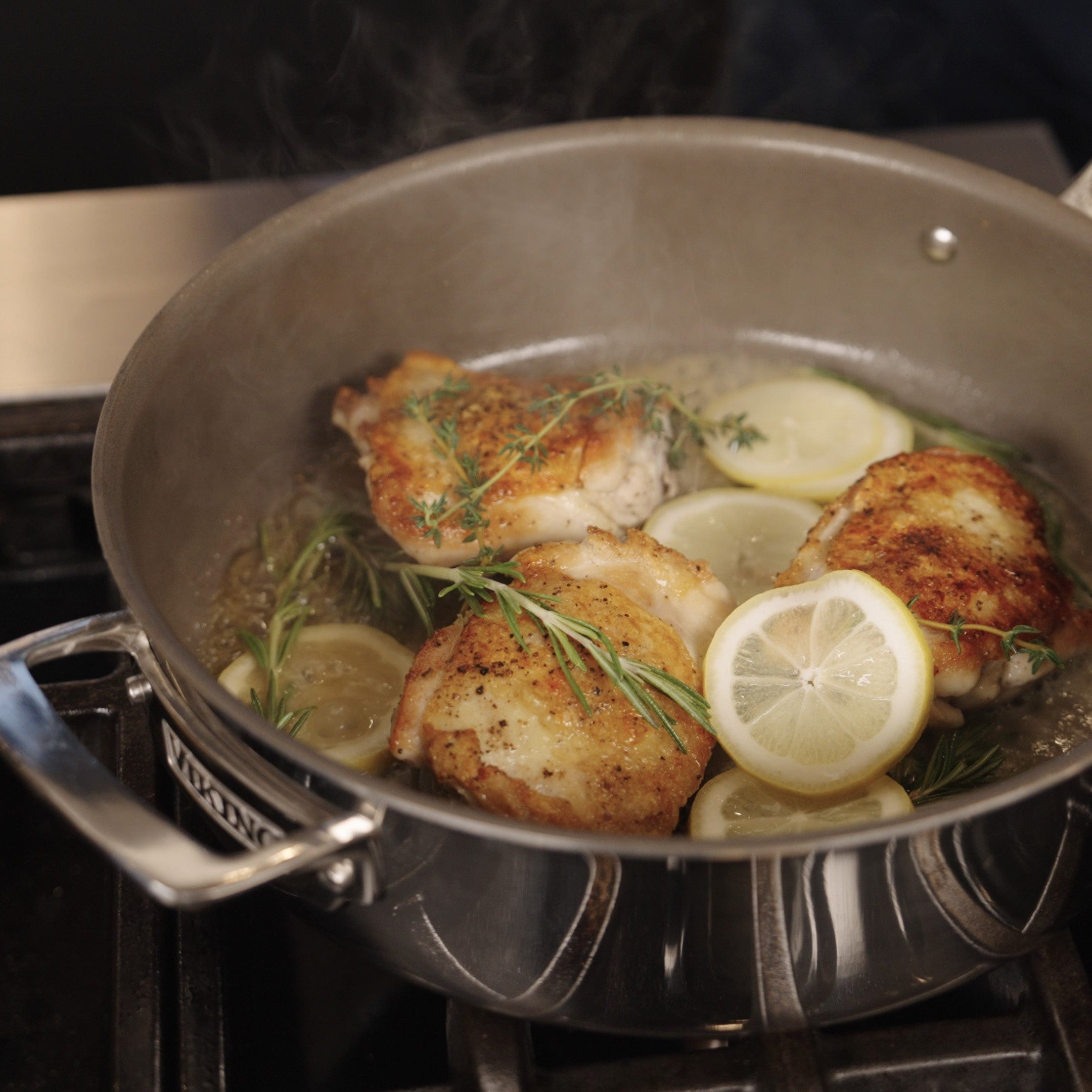
Stainless Steel: Best Overall for Everyday Cooking
For most induction kitchens, clad stainless steel is the most versatile choice. It performs well across a wide range of cooking techniques with the durability serious home cooks need.
Ideal for:
- Searing, sautéing, simmering, and browning
- Deglazing and building pan sauces
- Oven-to-table cooking
- Recipes with acidic ingredients like tomatoes, wine, or citrus
Keep in mind:
- More likely to stick than nonstick cookware without proper preheating and cooking fat
- Construction matters—quality clad cookware delivers the most even heating on induction
Is ceramic or stainless steel better for induction? Compared to induction-compatible ceramic-coated cookware, stainless steel offers better durability, browning, and versatility. Ceramic-coated cookware may be the better choice if your priority is easy food release and quick cleanup for delicate foods like eggs or fish.
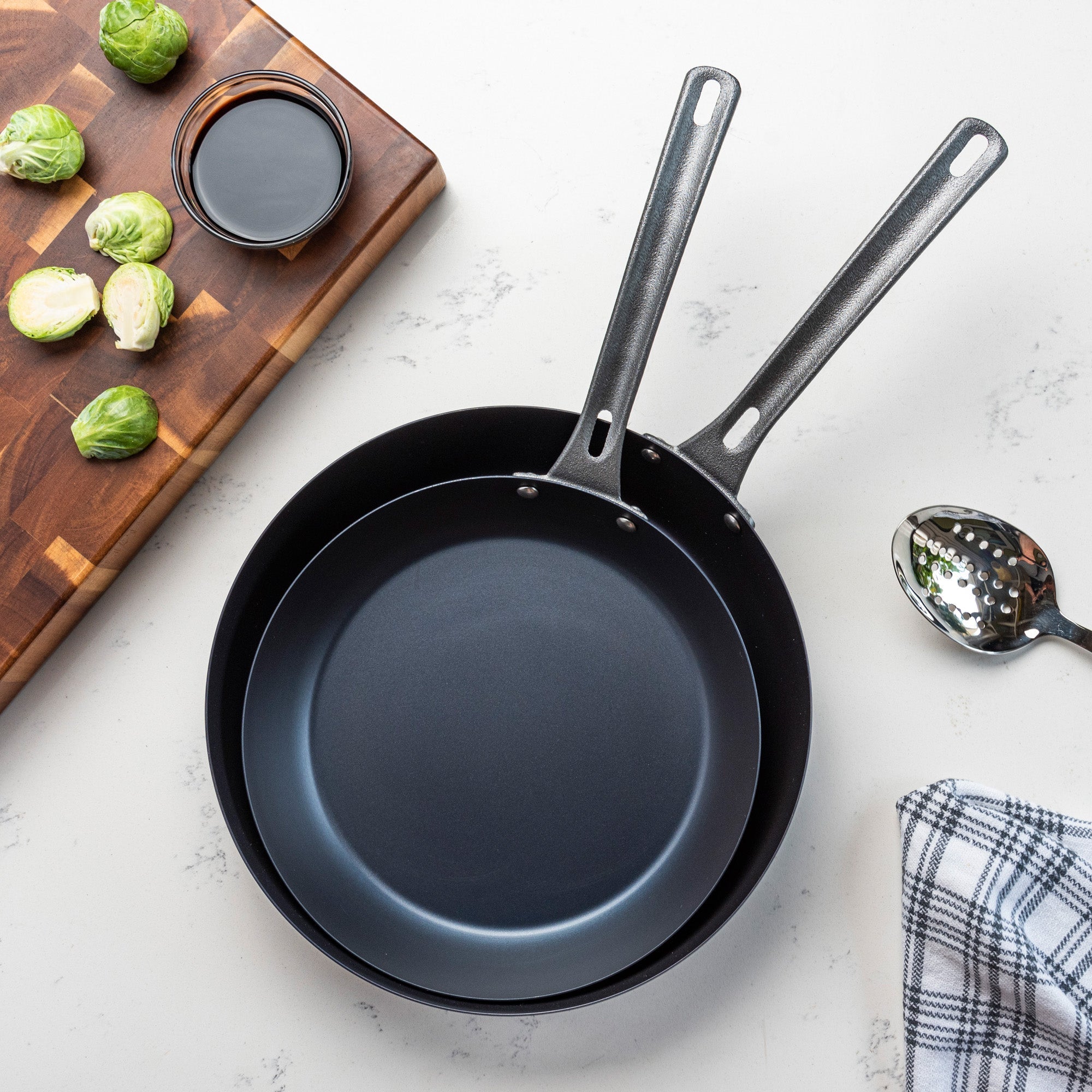
Carbon Steel: Best for Responsive Cooking
Carbon steel is a favorite for cooks who want the searing power of cast iron with less weight. On an induction cooktop, it responds quickly to temperature changes, making it a strong choice for searing, stir-frying, and other cooking techniques that benefit from quick temperature adjustments.
Ideal for:
- Searing steaks and chops
- Stir-frying
- Crisping vegetables and potatoes
- Cooks who prefer a lighter alternative to cast iron
Keep in mind:
- Develops a seasoned cooking surface with use
- Requires prompt drying and periodic seasoning to help prevent rust
- Not the best choice for long-simmered acidic foods like tomato sauces
Pro Tip: Because induction cooking is highly efficient, most Viking cookware performs best over low to medium heat. Higher settings are typically only needed for bringing liquids to a boil.
Cast Iron: Best for Heat Retention
Cast iron excels at cooking techniques that benefit from a consistently hot cooking surface. Once preheated, it retains heat exceptionally well, making it a reliable choice for recipes that require steady temperatures from stovetop to oven.
Ideal for:
- Searing steaks and other proteins
- Braising
- Slow cooking
- Baking
- Cooktop-to-oven recipes
Keep in mind:
- Heavier than most cookware materials
- Slower to respond when you adjust the heat
- Lift rather than slide it to help protect glass induction cooktops
Is cast iron or stainless steel better for induction? Both are good choices, and picking the best one depends on what you’re cooking. Stainless steel is lighter, more responsive, and more versatile for everyday tasks like sautéing and simmering. Cast iron is the better choice when maximum heat retention and searing are the priority.
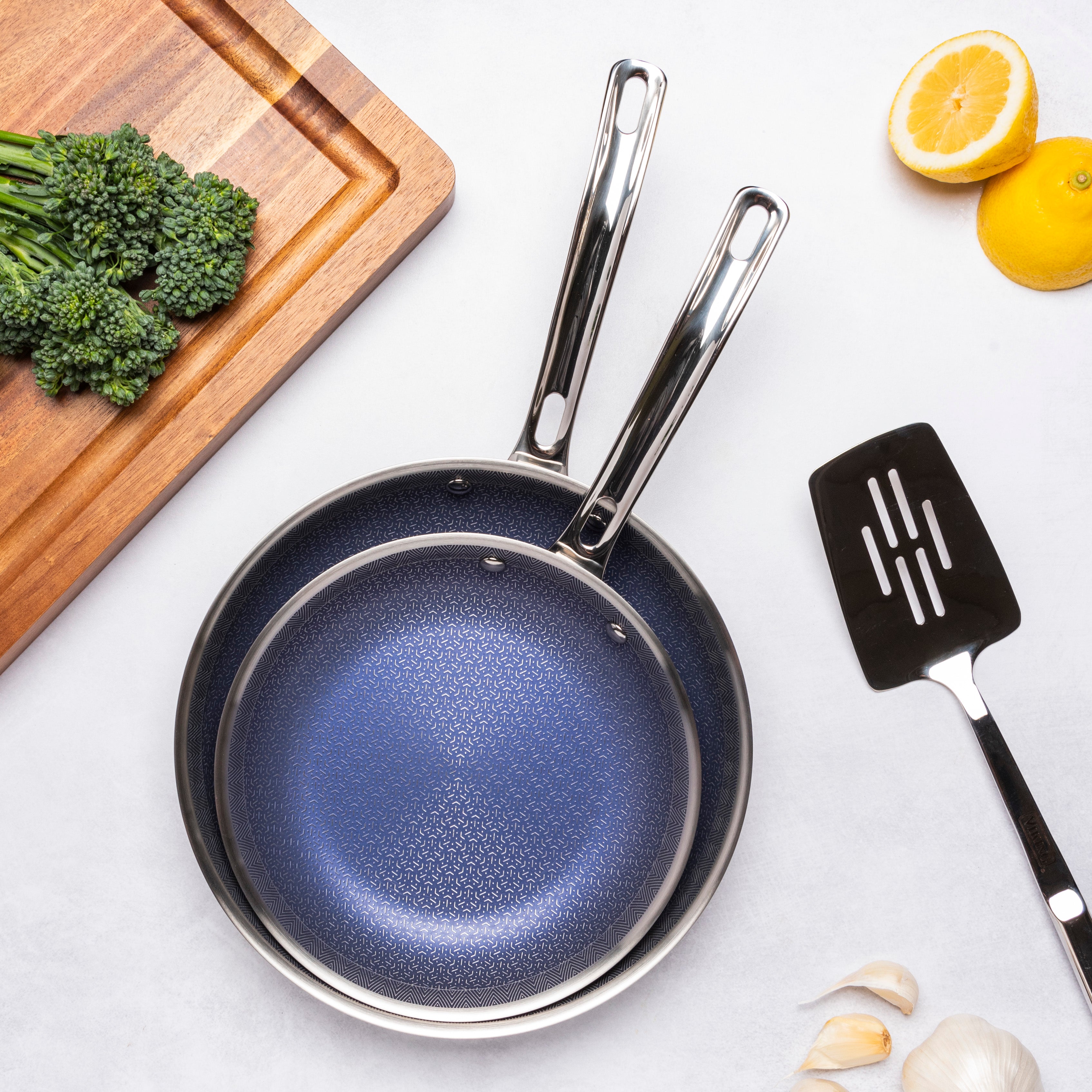
Titanium-Fused and Induction-Ready Nonstick: Best for Easy Food Release
If you prioritize quick cleanup and lower-stick cooking, induction-ready nonstick cookware is a practical choice. Titanium-fused, ceramic-coated, and traditional nonstick cookware can all emphasize easy food release, but they differ in construction, care requirements, and long-term durability.
Ideal for:
- Eggs
- Pancakes
- Fish
- Other delicate foods
- Lower-oil cooking
Compare before you buy:
- The underlying cookware body and induction compatibility
- Maximum oven temperature
- Recommended utensils
- Cleaning instructions
- Expected cooking-surface durability
Keep in mind that titanium-fused, ceramic-coated, and traditional nonstick are different cooking surfaces—not interchangeable terms. Each has its own performance characteristics and care requirements.
Copper-Clad Cookware: Best for Precise Temperature Control
Copper-clad cookware is designed for cooks who want exceptional heat control. It responds quickly when you raise or lower the temperature, so you can better manage your pan’s temp when working on sauces, reductions, and other precise cooking tasks.
Ideal for:
- Sauces
- Reductions
- Temperature-sensitive cooking
- Recipes that require frequent heat adjustments
Keep in mind:
- Typically costs more than other induction-compatible cookware
- Copper exteriors may require occasional polishing to maintain their appearance
- The added precision is often most valuable for cooks whose recipes require precision, such as complex sauces
Hard-Anodized Cookware: Best When Lighter Weight and Easy Cleanup Matter
Hard-anodized cookware offers a practical balance of lighter weight, everyday performance, and easy maintenance. Because compatibility varies by construction, verify that it's designed for induction before purchasing.
Ideal for:
- Everyday sautéing
- Lower-stick cooking
- Cooks who prefer less weight than cast iron
- Buyers seeking a more accessible alternative to premium clad cookware
Keep in mind:
- Performance varies by construction.
- Compare oven limits and care requirements before purchasing.
- Lighter weight often comes with less heat retention than cast iron.
How To Choose the Best Cookware for Induction Stoves
Before you buy, think about the cooking tasks you perform most often, the cookware construction that fits your budget, and the features that matter in everyday use.
1. Start with the Cooking Tasks You Perform Most Often
Rather than looking for one pan that does everything, start with the meals you cook most often. Match your everyday cooking tasks to the cookware that fits them best, then refer back to the material guide above for more details on each option.
|
If you often cook… |
Consider… |
|
Everyday sautéing and simmering |
Clad stainless steel |
|
Eggs and delicate foods |
Induction-ready nonstick or titanium-fused cookware |
|
Steaks and stir-fries |
Carbon steel |
|
Braises and baking |
Cast iron or a stainless steel Dutch oven |
|
Sauces and reductions |
Clad stainless steel or copper-clad cookware |
2. Choose the Right Construction Level For Your Budget
Value-focused cookware
Choose reliable construction over a larger piece count.
- Prioritize well-built cookware with secure handles and clear induction compatibility.
- Consider induction-compatible hard-anodized cookware or individual stainless steel pieces.
- Buy the pans you'll use most before adding specialty cookware.
Mid-range cookware
A good balance of performance and value for many home cooks.
- Look for dependable 3-ply stainless steel.
- Build your collection around versatile everyday pieces.
- Add specialty cookware as your cooking style evolves.
Premium cookware
Pay for meaningful performance improvements, not just appearance.
- Consider multi-ply stainless steel, copper-clad cookware, or specialty pieces designed for specific cooking tasks.
- Look for improvements in heat control, balance, durability, and craftsmanship.
- Invest in the core pieces you reach for most often rather than buying the largest set.
3. Consider Weight, Balance, and Handle Comfort
For larger sauté pans, Dutch ovens, and stock pots, helper handles can make lifting and carrying much easier. Before you buy, ask yourself:
- Can I comfortably lift the pan when it's full?
- Can I pour from it with confidence?
- Will I move it between the cooktop and oven?
- Does the handle feel secure and comfortable?
- Will it fit where I store my cookware?
4. Match the Cookware Size to the Induction Zone
Choose cookware that's the right size for both your recipes and your induction cooking zones.
|
Cookware |
Good For |
|
8- or 10-inch fry pan |
Eggs and smaller meals |
|
12-inch fry or sauté pan |
Larger portions and family meals |
|
2- or 3-quart saucepan |
Sauces, grains, and reheating |
|
4- to 6-quart Dutch oven |
Braises, soups, and batch cooking |
|
Large stock pot |
Pasta and high-volume cooking |
5. Check Oven Limits, Lids, and Care Instructions
Keep in mind that cookware bodies, lids, handles, and cooking surfaces may all have different care instructions and maximum oven temperatures. Before purchasing, verify:
- Cookware oven temperature limit
- Handle oven temperature limit
- Lid oven temperature limit
- Dishwasher guidance
- Recommended utensils
- Seasoning requirements (if applicable)
- Warranty coverage
6. Avoid These Common Mistakes When Buying Cookware for an Induction Stove
Not all pans work well on induction cooktops, and a few common purchasing mistakes can lead to disappointing performance or unnecessary replacements. Keep these tips in mind as you compare cookware.
- Assuming every stainless steel pan works on induction
- Assuming ceramic, copper, aluminum, or nonstick cookware is automatically compatible
- Judging cookware by the induction symbol alone
- Buying more pieces than you'll actually use
- Ignoring weight and handle comfort
- Choosing cookware that's the wrong size for your cooktop
- Sliding heavy cookware across the glass surface
- Preheating empty cookware over high heat
- Expecting induction adapters to perform like purpose-built cookware
Essential Induction-Ready Cookware Pieces for Serious Home Cooks
You don't need every cookware material to build a well-equipped induction kitchen. Start with a few versatile essentials, then add specialty pieces that match the techniques you use most often.
- A Clad Stainless Steel Fry Pan: A 10- or 12-inch clad stainless steel fry pan is the workhorse of most induction kitchens. It’s your go-to pan for browning, sautéing, simmering, and everyday cooking.
- A PureGlide Pro Fry Pan: Keep an induction-ready PureGlide Pro easy-release fry pan on hand for eggs, pancakes, fish, and other delicate foods.
- A Saucepan: A 2- or 3-quart saucepan is useful for sauces, grains, reheating leftovers, and smaller batches of soup or pasta.
- A Sauté Pan or Dutch Oven: A 4- to 6-quart sauté pan or Dutch oven makes braising, one-pan meals, soups, stews, and batch cooking so much easier.
- An Optional Carbon Steel or Cast Iron Skillet: If you regularly sear steaks, chops, or other proteins, a dedicated carbon steel or cast iron skillet can provide the heat retention a dedicated home cook is looking for.
Why Choose Viking Cookware
Viking's induction-ready cookware is made to deliver the even heating, durability, and control home cooks need for exceptional results. Whether you're replacing a single pan or building a complete collection, you'll find thoughtfully designed cookware crafted for years of confident cooking.
Frequently Asked Questions About Induction-Compatible Cookware
Why does induction cookware sometimes make a humming or buzzing sound?
A humming or buzzing sound is normal. It happens when the magnetic field interacts with the cookware and may be more noticeable at higher power settings or with lightweight pans. It doesn't usually indicate a problem with the cookware or cooktop.
Can induction cookware be used on gas and traditional electric stoves?
Yes. Induction-compatible cookware can also be used on gas, electric, and most ceramic-glass cooktops. If the cookware is oven safe, you can typically use it in the oven as well. Always follow the manufacturer's temperature limits for the cookware body, handles, and lids.
Does induction cookware need special cleaning products?
No. Most induction cookware only requires warm water, mild dish soap, and a soft sponge. Avoid abrasive cleaners unless the manufacturer recommends them, and always follow the care instructions for your cookware.
Can induction-compatible cookware go in the dishwasher?
It depends on the cookware. Some induction-compatible cookware is dishwasher safe, while others should be washed by hand to protect their finish or cooking surface. Always follow the manufacturer's care instructions.
Should you buy an induction cookware set or individual pans?
Choose an induction cookware set if you're replacing most of your existing cookware or outfitting a new kitchen. If you're upgrading gradually or prefer different materials for different cooking tasks, individual pieces often offer greater flexibility.
Can you use an induction cooktop during a power outage?
No. Induction cooktops require electricity, so they won't operate during a power outage unless they're connected to an appropriate backup power source.
Does induction cookware wear out faster than cookware used on other stoves?
No. Quality induction-compatible cookware shouldn't wear out faster simply because it's used on an induction cooktop. Its lifespan depends on construction, care, and everyday use.