
How To Care for Carbon Steel Cookware
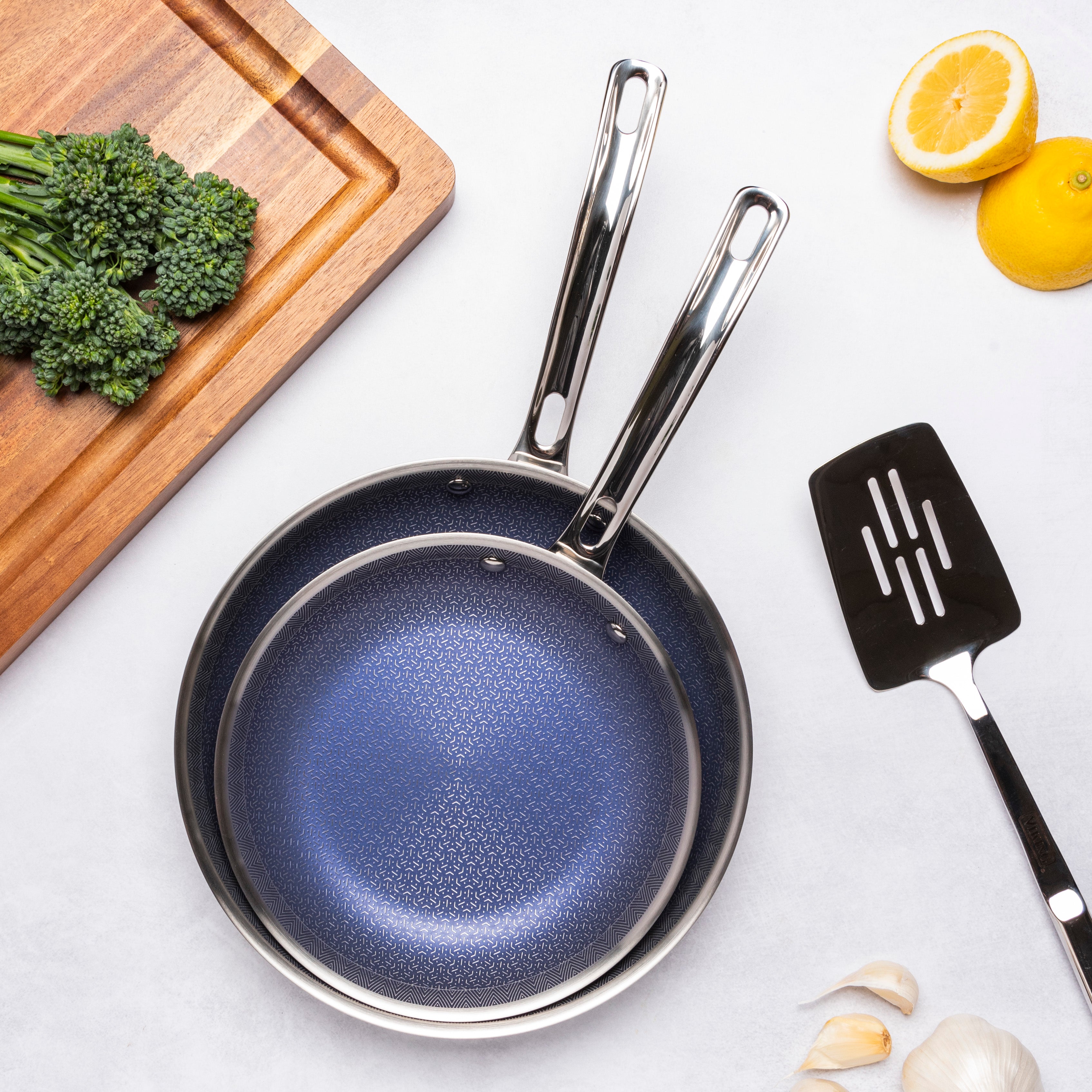
Carbon steel cookware is a staple in professional kitchens, beloved by pro chefs and serious home cooks alike. Carbon steel excels at high-heat cooking, rivaling cast iron’s durability and nonstick performance without the weight. Carbon steel is better than cast iron at heating and cooling quickly, making it a great option for sautéing and stir-frying—though both excel when cooking at high temperatures. Viking Blue Carbon Steel Cookware is oven-safe up to 600°F and built for unmatched heat retention, comfort, and control. But even professional-grade cookware requires good care to last and perform its best.
Care for carbon steel cookware by seasoning it properly, using the right cooking techniques, cleaning after every use, and storing to prevent rust and damage. In this guide, we break down how to care for carbon steel pans like a pro and provide tips on maintaining your cookware and troubleshooting common concerns.
Carbon Steel at a Glance
This table breaks down how to care for your carbon steel pan at every stage of ownership, from fresh out of the package to storage and reseasoning.
|
Situation |
What to do |
What to avoid |
Why it matters |
|
First use |
Remove the protective coating, wash, dry completely, then season |
Cooking before the pan is fully cleaned and seasoned |
Prepares the surface for a strong seasoning base |
|
Everyday cooking |
Preheat gently, add a little fat, and use moderate heat for most tasks |
Long exposure to acidic foods in a lightly seasoned pan |
Helps food release better and protects the seasoning |
|
After cooking |
Wipe out residue, rinse if needed, dry thoroughly, and add a very thin coat of oil |
Letting the pan air-dry while still damp or soaking it in water |
Prevents rust and keeps the seasoning intact |
|
Stuck-on food |
Use hot water, a soft brush, or a salt scrub; reseason if needed |
Harsh scrubbing without re-oiling or re-seasoning afterward |
Removes residue without leaving the pan unprotected |
|
Storage |
Store fully dry in a low-moisture area; use a towel or liner if stacking |
Trapping moisture with a lid on or stacking bare metal on bare metal |
Helps prevent rust and protects the seasoned surface |
|
Needs seasoning |
Reseason when the surface looks patchy, stripped, rusty, or food starts sticking more |
Assuming you need to strip the whole pan every time |
Most maintenance issues can be fixed with light reseasoning |
Prep and Clean Before Seasoning Your Carbon Steel
Viking blue carbon steel pans come with a natural beeswax coating to protect against corrosion during shipping. Be sure to remove this completely with warm, soapy water before your first seasoning. Scrub the pan with a soft-bristled brush or sponge, then rinse thoroughly. Wipe the pan dry and place it on a low-heat burner for a few minutes until completely dry.
Pro Tip: You can use warm, soapy water to clean your carbon steel pan when needed, including before first use to remove the protective coating. For everyday care, wiping the pan clean is often sufficient. If soap is used, dry the pan thoroughly and re-season as needed to maintain the cooking surface.
How To Season Carbon Steel Cookware: Two Methods
Once you’ve cleaned carbon steel, it’s time to season. Seasoning is the process of lacquering your pan with thin layers of oil and heating it to create a nonstick coating. Not only does this coating keep food from sticking to the pan, but it also protects your cookware’s surface from scratches. For best results, season your pan at least twice before cooking for the first time.
The general process for how to season carbon steel is the same whether you’re seasoning a pan for the first time or reseasoning for maintenance.
Seasoning Carbon Steel on the Stovetop
-
Add a thin layer of oil to the bottom of your pan, using a paper towel or clean cloth to coat the surface evenly. Choose an oil with a high smoke point. Some of the best oils for seasoning carbon steel are grapeseed, canola, and flaxseed.
-
Place the pan on a burner on your stove. Heat it on medium for approximately 10 minutes or until the oil starts to smoke.
-
Turn off the heat. Allow the pan to cool before wiping away excess oil with a paper towel or clean cloth.
-
The pan is ready to use, but we recommend seasoning the pan one to two more times at a minimum. This builds up a solid base layer to protect your pan and minimize how often it needs reseasoning.
Seasoning Carbon Steel in the Oven
-
Preheat your oven to between 400° and 450° F.
-
Line a baking sheet with foil and place it on the bottom rack of the oven to catch oil drips.
-
Ensure your pan is clean and dry, then rub a thin, even layer of high-smoke-point oil all over the inside.
-
Place the oiled pan upside down in the oven, above the lined baking sheet.
-
Allow the pan to bake for one hour.
-
Turn off the oven and leave the pan inside until cool before removing.
Pro Tip: There’s no rule for how often you should reseason your carbon steel cookware. Pay attention to the cooking surface and reseason if it becomes patchy, chipped, rusted, or stripped.
Use the Right Cooking Methods With Carbon Steel
Once your new pan is washed, seasoned, and ready to go, using good cooking techniques will help you get the most out of your carbon steel. While Viking blue carbon steel cookware is built for chef-level performance, following these tips protects your pan and helps you achieve restaurant-worthy results at home:
-
Preheat your pan over medium heat before adding oil or cooking fat.
-
Use cooking oils with high smoke points—canola, avocado, or grapeseed—to prevent burning.
-
Avoid overheating. Carbon steel performs best on low to medium heat, and high heat should only be used briefly when searing.
-
Acidic foods such as tomato or wine may cause discoloration, especially before the pan is fully seasoned.
-
Give ingredients space to breathe in the pan. Overcrowding traps moisture and prevents searing.
-
Wait until your pan has developed strong seasoning before cooking delicate foods such as eggs or fish, which are more likely to stick.
-
Do not use carbon steel cookware in the microwave, under a broiler, for deep fat frying, or on open fires or barbecues.
-
Avoid cutting directly in the pan with sharp utensils, as this can scratch the surface and damage the seasoning.
How To Wash Carbon Steel Cookware
Clean your carbon steel pan immediately after use by wiping it out with a soft, clean cloth or paper towel to remove food residue. Rinse with warm water to remove any lingering particles if needed, then dry the pan thoroughly. Adding a light coating of oil and heating it on the stovetop until it hardens helps maintain your pan’s seasoning between uses.
To deal with stuck-on food, try these tips:
-
Try a salt and oil scrub: Before reaching for a harsh scrubber like steel wool, try adding two tablespoons of coarse salt to the pan with two tablespoons of neutral oil. Use a towel to rub the mixture around the surface of the pan, using the friction of the salt to scrub off stuck food. Dump the salt, oil, and food bits, then wipe the pan clean with a fresh cloth.
-
Simmer off residue: Add just enough water to cover the bottom of the pan, then place it over medium heat until it begins to boil. The hot water should loosen stubborn and burnt-on food bits, which you can scrape away with a wooden spoon or rubber spatula. Once you’ve loosened the residue, dump it and wipe the pan dry. Warm the pan for a few minutes over medium heat to remove any remaining moisture and prevent rust.
-
Use a (gentle) scrubbing tool: If neither strategy works, you can try a more abrasive scrubbing tool. Be aware that steel wool and other coarse scrubbers can cause superficial scratches on the surface of your pan. It’s critical to reseason carbon steel to seal any abrasions after using this cleaning method.
Store Your Carbon Steel Cookware Like a Pro
The key to storing carbon steel cookware properly is keeping it dry. Do not put your pans away until they have dried completely. Either wipe them fully dry with a towel or heat them on medium for a few minutes until all moisture has evaporated. Here are some other tips to keep in mind when storing carbon steel:
-
Store to prevent rust: In addition to drying your pans before putting them away, prevent rust by storing them in a low-humidity location, such as a cabinet away from the sink and dishwasher. Leave the lid off your pan to avoid trapping in moisture.
-
Protect the seasoning: Avoid stacking carbon steel pans or layering other metal equipment on top of them. If you must stack your pans, use paper towels, dishcloths, or silicone mats in between to prevent scratching the seasoning.
-
Practice routine maintenance: Use your carbon steel pans as frequently as possible. Frequent usage bolsters the seasoning layer and allows you to inspect the pan for rust or damage.
Troubleshoot Common Carbon Steel Concerns
Carbon steel is a hardy cookware material, and Viking Blue Carbon pans are crafted for exceptional durability. But even top-quality carbon steel pans experience wear over time, and knowing how to treat problems can help you maintain your cookware’s performance for years. Here’s how to troubleshoot common carbon steel concerns:
Rust
Rust is one of the most common offenders affecting carbon steel pans. Due to the material’s high iron content, carbon steel is more likely to rust than materials like stainless steel—especially in humid climates. Keeping your pans dry is the first line of defense when protecting them from rust, but when you notice the red stuff starting to form, you’ll need to do a deep clean to remove it.
There are three ways to remove rust when sanitizing your carbon steel pan, but note that you’ll have to reseason the pan after using most of these methods:
-
Salt scrub: This is the gentlest option, and if the rust spot is minor, you may not need to reseason the pan. Use a 1:1 ratio of coarse salt and neutral cooking oil and scrub the spot in a circular motion until the rust is removed.
-
Scouring: Grab steel wool, a scouring pad, fine-grit sandpaper, or another abrasive scrubber and scrub at the rust until removed. Clean the pan with warm water and a light drizzle of mild dish soap before reseasoning.
-
Vinegar: Add equal parts water and white vinegar to the pan, using just enough to cover the bottom. Bring to a boil, pour out the liquid, and scour the pan with an abrasive scrubber, soap, and hot water until clean. Dry completely and reseason.
Sticky Surface
If your carbon steel pan feels sticky after seasoning, you’ve likely over-seasoned it. This means you’ve used too much oil during the seasoning process. First, try wiping it out or rinsing with hot water. Often, this is enough to remove the excess oil, leaving your pan clean and evenly seasoned. If the surface of the pan still feels sticky or tacky after rinsing, you may need to strip the seasoning by scrubbing the pan with a 1:1 mixture of white vinegar and water, then reseason.
Uneven Seasoning
It’s normal for carbon steel cookware to take on a mottled, uneven appearance with use. You might notice dark spots or patterns in a variety of colors that change over time. This doesn’t mean there’s a problem or that you need to strip and reseason the pan. Instead, continue using it as usual. Consider cooking with fatter foods, such as steaks or bacon, to even out the seasoning layer. If the seasoning has flaked off in places, reseason without stripping to create an even coating.
Why Choose Viking Blue Carbon Steel Cookware?
Restaurant-worthy results begin with the right cookware and proper care. Carbon steel offers the durability of cast iron in a lighter, more responsive form, making it a favorite among professional chefs and serious home cooks. By properly seasoning, cleaning, and storing your Viking blue carbon steel cookware, you’ll build a natural nonstick surface and preserve its performance for years to come.
Whether you’re searing steaks, sautéing vegetables, or crafting delicate dishes, Viking cookware empowers you to cook with confidence and precision.
Frequently Asked Questions
What is the best oil for seasoning carbon steel cookware?
The best oil for seasoning carbon steel cookware is a neutral, high-smoke-point oil, such as grapeseed, canola, vegetable, or avocado oil. Use a very thin layer, heat the oil until it begins to smoke, then allow the pan to cool and repeat as needed.
Is carbon steel better than cast iron?
Carbon steel is better than cast iron if you want lighter cookware with faster heat response. Cast iron holds heat longer, making it excellent for braising and deep searing, while carbon steel is ideal for quick searing, sautéing, stir-frying, and everyday stovetop control.
How often should I reseason my carbon steel cookware?
Reseason carbon steel cookware whenever the surface looks dry, uneven, rusty, or food starts sticking more than usual. With regular use and proper care, carbon steel develops a rich patina that improves performance over time.
Can carbon steel cookware be used on induction cooktops?
Yes—carbon steel is naturally magnetic, so it generally works very well on induction cooktops. For best results, match the pan size to the burner and preheat gradually to help prevent warping.
How long does it take for carbon steel to become naturally nonstick?
Carbon steel gradually becomes nonstick as layers of seasoning build through regular use. The timeline depends on how often you cook, what foods you prepare, and how well the pan is cleaned and re-oiled after use.
Can you use cooking spray on a carbon steel pan?
It’s better to use a small amount of regular cooking oil instead of cooking spray on carbon steel. Cooking sprays can leave behind residue that is harder to manage on seasoned cookware and may affect long-term performance.