
What Pans Can Go in the Oven?
Nearly all Viking pans are considered oven-safe cookware, including those made from cast iron, stainless steel, titanium-fused nonstick, and blue carbon steel. But knowing the temperature limits of each product is key to cooking safely and preserving the lifespan of your pans. In this guide, we’ll walk you through which pans can and cannot go in the oven and offer tips for cooking safely with oven-safe kitchenware.
How To Tell if a Pan Is Oven-Safe
Before placing a pan in the oven, make sure every part of it can handle high heat without damage. True oven-safe cookware is built entirely from materials that won’t melt, warp, or release fumes. That means every component must be safe to use at high temperatures, including:
- Pan interiors and exteriors: The body of the pan should be made of heat-resistant materials that won’t warp, crack, or degrade when exposed to oven temperatures.
- Nonstick coatings or treatments: Any cooking surface or treatment applied to the pan must be rated for oven use so it maintains performance without breaking down.
- Handles: Pan handles should be made from oven-safe materials, such as stainless steel, since plastic or rubber will melt and warp in the oven.
- Lids: If you’re using the pan’s lid in the oven, it must also be made of oven-safe materials, such as tempered glass and stainless steel. Look for the lid’s heat rating before putting it in the oven.
- Rivets: The rivets that secure the handles should be made from durable, heat-safe metals so they remain secure and stable in the oven.
The most reliable oven-safe pans are made from metals that can handle sustained high heat without warping or damaging their finish. Some cast iron, carbon steel, and stainless steel pans can even go from stove to oven or oven to stove.
Common Oven-Safe Cookware Materials, Ranked
Many types of cookware can safely go in the oven, but the pan’s material plays a major role in how well it performs under high heat. Some metals handle high temperatures better than others, while others retain heat longer. The ranking below shows which cookware materials handle oven cooking the best and perform reliably when moving from stovetop to oven.
- Cast iron: Cast iron excels at retaining heat and offers reliable oven performance. While it may have lower recommended temperature limits in some cookware lines, it remains a trusted choice for roasting, baking, and braising.
- Carbon steel: This innovative material is designed for high-heat cooking and transitions easily from stovetop searing to oven roasting. It heats quickly and develops a natural seasoning that improves performance over time.
- Stainless steel: This classic cookware material is one of the most heat-tolerant options available. These pots and pans resist warping and are safe for use under a broiler, making them a favorite for finishing meats, roasting vegetables, and one-pan meals.
- Hard anodized: Hard anodized cookware is designed for durability and even heating. Our hard-anodized pans are oven-safe and reliable for baked skillet dishes, casseroles, and roasted meals.
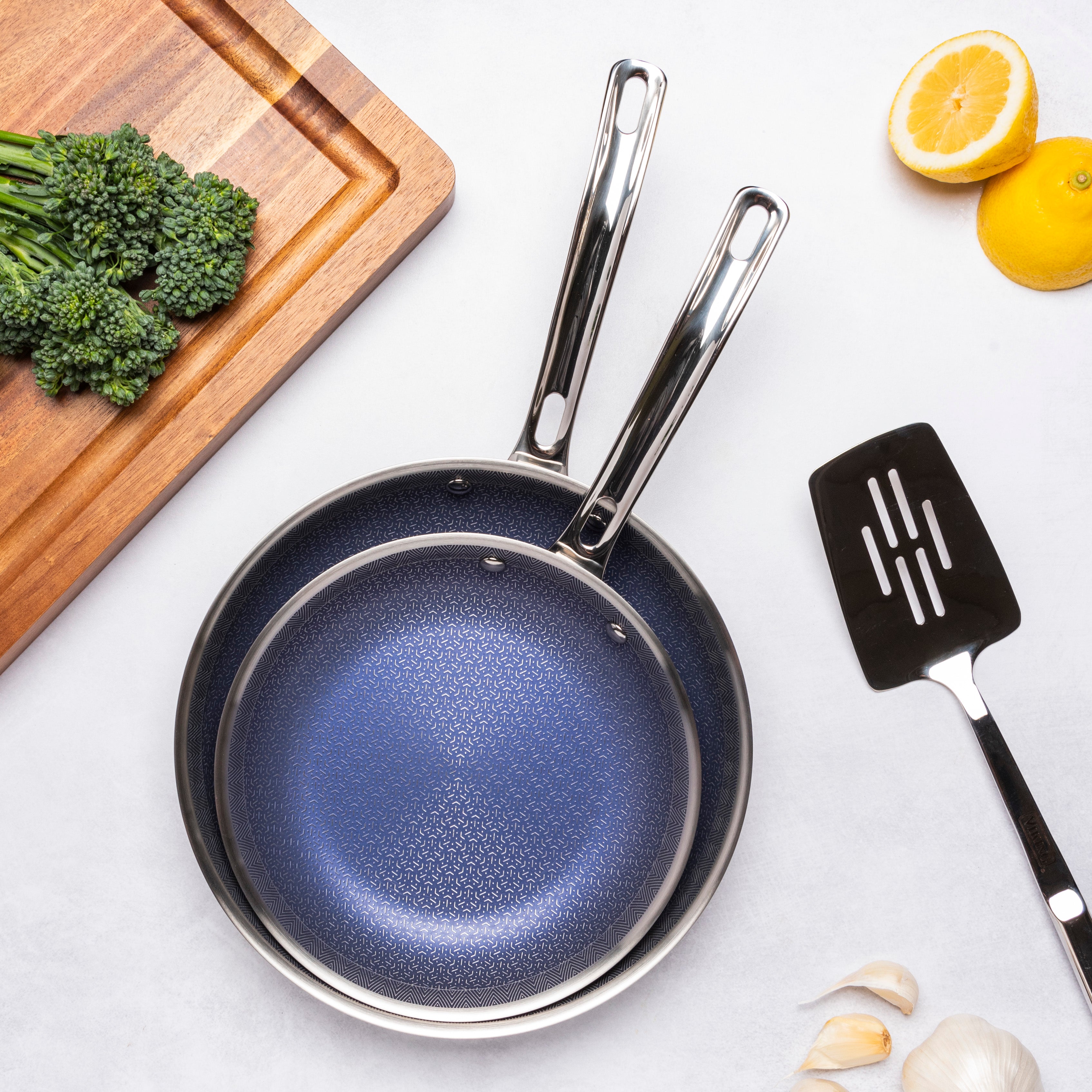
- Titanium-fused nonstick: Viking’s PureGlide Pro cookware makes a great choice for the versatile cook. Because the titanium-silica surface is fused with stainless steel, it maintains strong heat tolerance for stovetop-to-oven cooking.
- Stainless steel with nonstick interior: These pans perform well in the oven within their recommended heat limits. Stainless steel cookware with nonstick interiors offers the strength and structure of stainless steel with the convenience that comes with a nonstick coating.
- Traditional nonstick: Traditional nonstick cookware typically has the lowest oven temperature limits. It’s best suited for moderate oven cooking, such as baked egg dishes or skillet casseroles, where easy food release and cleanup are the priority.
Viking Oven-Safe Cookware Materials
These are the top oven-safe materials used by Viking to design cookware that offers peak performance on the stove—and beneath the broiler.
|
Material |
Oven-Safe Up To |
Key Characteristics |
|
Cast Iron |
600°F (oven and broiler) |
Exceptional heat retention; ideal for baking, roasting, and searing |
|
Stainless Steel |
600°F (oven and broiler) |
Stainless interior, exterior, and rivets; compatible with all stovetops, including induction |
|
Carbon Steel |
500°F |
Great for high-heat cooking; ideal for stovetop-to-oven recipes |
|
Titanium-Fused Nonstick (PureGlide Pro) |
600°F (oven and broiler) |
Nonstick made without PFAS; induction compatible |
|
Traditional Nonstick |
400°F |
Stainless steel–clad; compatible with all stovetops |
|
400°F |
Multi-ply construction with premium nonstick coating |
Note: Tempered glass lids are typically oven-safe up to 400°F, depending on the cookware collection. Some lines (such as hard anodized cookware) limit glass lids to 350°F. Stainless steel lids are safe up to 600°F.
Types of Cookware That Can Go in the Oven
High-quality cookware lets you build flavor on the stovetop and finish cooking in the oven without transferring food to another dish. If you’re looking for maximum versatility from your cookware, whether it be from a fry pan to a Dutch oven, it’s critical to know what pieces work in an oven. The key is choosing cookware made of oven-safe materials with heat-resistant handles and lids.
Oven-Safe Cookware at a Glance |
||
|
Cookware Type |
Typically Oven-Safe? |
Best For |
|
Fry Pans and Skillets |
Yes |
Searing meat, finishing steaks, skillet desserts |
|
Sauté Pans |
Yes |
Braising, one-pan meals, stovetop-to-oven recipes |
|
Sauce Pans |
Sometimes |
Oven-finished grains and sauces |
|
Dutch Ovens and Stock Pots |
Yes |
Braising, breads, and slow oven cooking |
Fry Pans & Skillets
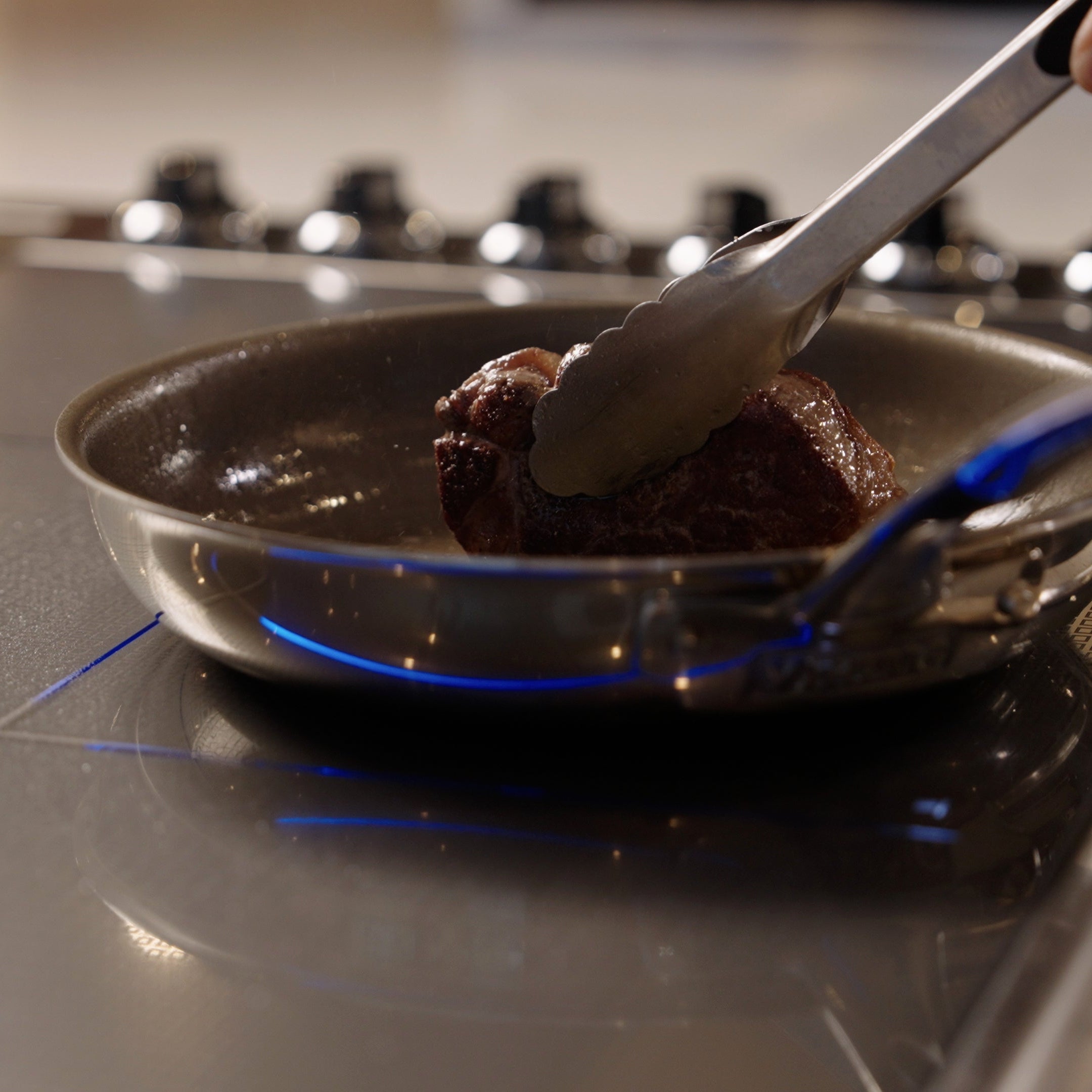
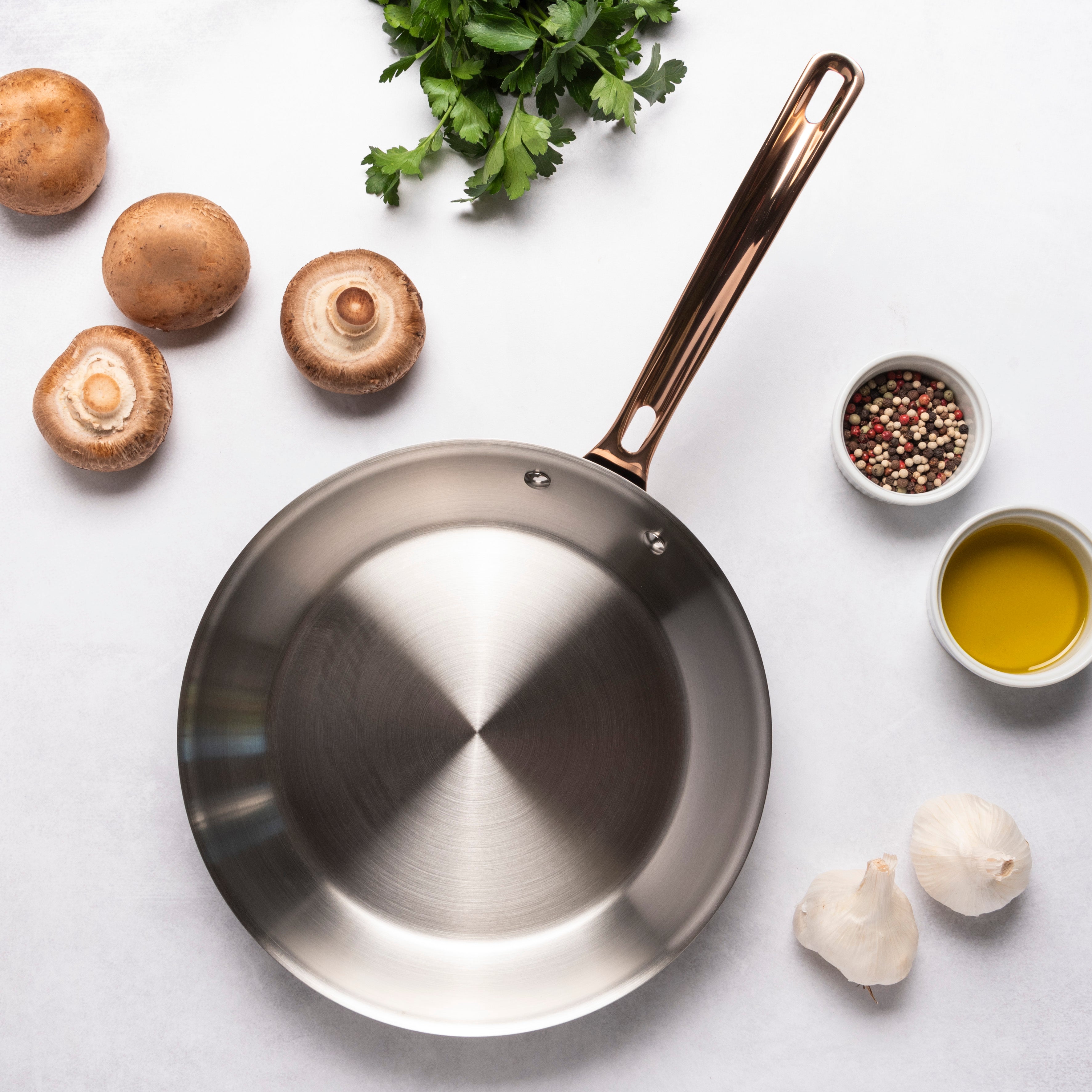
Fry pans and skillets are among the most common pans used for professional oven finishing. Their wide cooking surface makes them ideal for searing meats before transferring the pan to the oven. Cast iron, stainless steel, and carbon steel skillets are especially well-suited for oven use. These pans are often used to finish steaks, bake cornbread, or prepare skillet desserts.
Sauté Pans
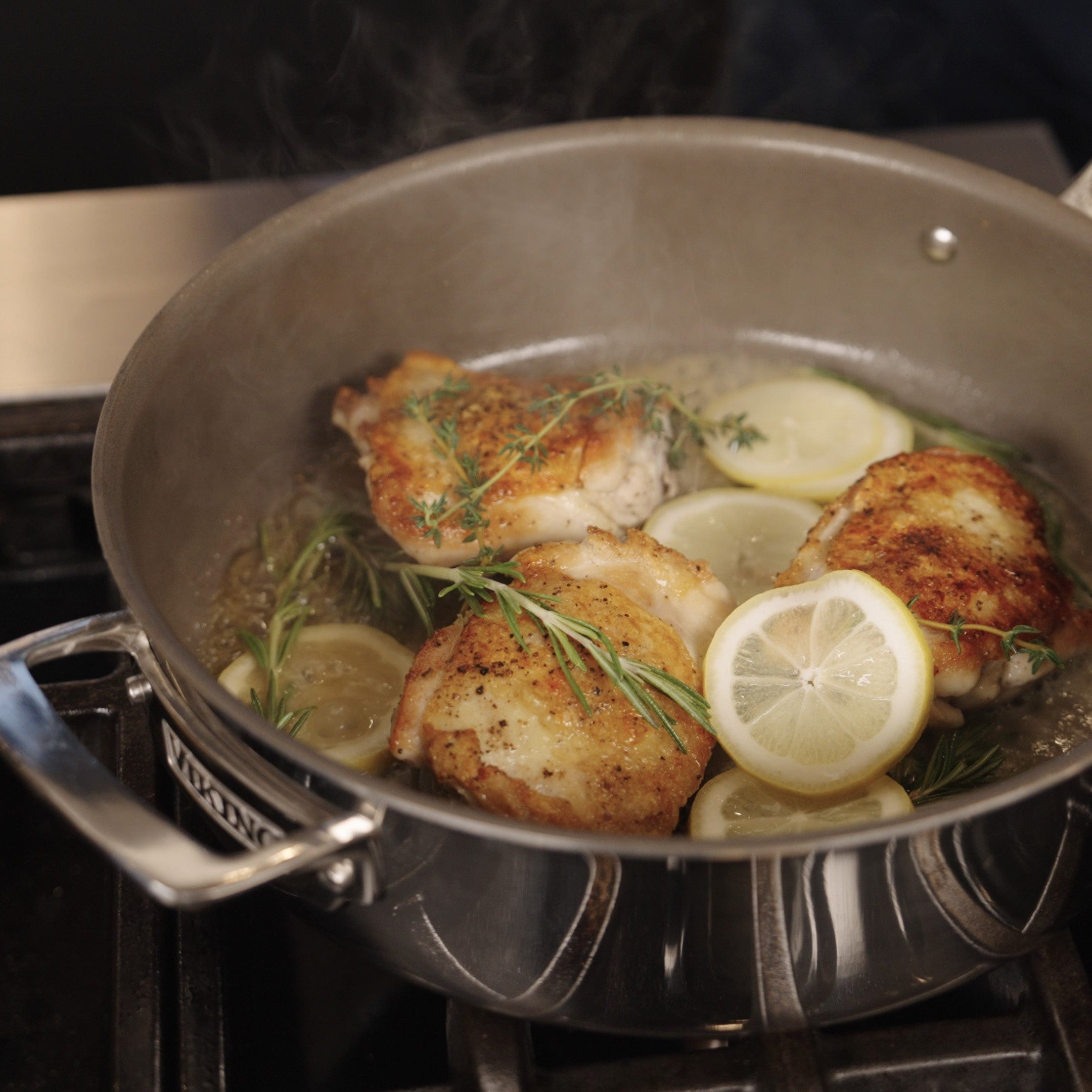
Sauté pans feature straight sides and a large capacity, making them ideal for recipes that start with browning ingredients that continue cooking in the oven. They work well for one-pan meals, braised dishes, and oven recipes that require a lid.
Sauce Pans
Sauce pans are primarily designed for stove-top cooking, but many can go in the oven if they’re made from the right materials. Oven-safe sauce pans are useful for finishing grains and sauces that require gentle oven heat.
Dutch Ovens & Stock Pots
The Dutch oven is beloved for its versatile use between stovetop and oven. The thick construction and tight-fitting lids make them ideal for slow cooking methods, such as braising, roasting, and baking. Stock pots can also go in the oven when made from oven-safe materials, though they’re typically used for stovetop cooking. If you don’t have a Dutch oven, you can use a shorter stock pot for a similar result.
Cookware Components that Affect Oven Safety
Not every pan is designed for oven use. Cookware with components made from plastic, certain types of glass, mixed materials, or specialty metals—as well as pans with certain nonstick coatings—may not be oven-safe. Here are some common materials and components of pans that you cannot put in the oven:
- Plastic components: Handles, knobs, or accents made from plastic can melt, warp, or even release fumes when exposed to high oven temperatures.
- Certain nonstick coatings: Not all nonstick cookware is oven-safe. Nonstick coatings that are not heat-rated can degrade or lose their nonstick performance when exposed to temperatures beyond their recommended limits. For oven-safe nonstick performance, Viking’s PureGlide Pro features a titanium-fused cooking surface. PureGlide Pro pans are made without PFAS.
- Glass parts: While tempered glass bakeware can handle the heat, pot lids and other thinner glass components often have lower temperature limits.
Always check the pan’s heat rating before placing it in the oven. Referring to manufacturer temperature recommendations and oven-safety guidelines is the only way to know if cookware is truly oven-safe.
Best Practices for Cooking With Oven-Safe Pans
Follow these tips and best practices to get the most out of your oven-safe pots:
- Be aware of thermal shock: Sudden temperature changes, such as putting a hot pan in cold water, can warp your cookware and weaken its structure. Always allow pans to heat up and cool down gradually.
- Protect yourself from burns: Always use pot holders or oven mitts when handling hot cookware, whether moving a pan from stove to oven or oven to table.
- Remember, metal handles stay hot long after you remove a pan from the oven.
- Choose heat-safe utensils: Use stainless steel, wood, or high-heat-rated silicone utensils to prevent melting, warping, or the release of unsafe fumes.
- Know your pan’s limits: The only way to be certain a pan is oven-safe is to check the manufacturer’s heat rating. For example, most Viking cookware is designed to go from stove to oven safely, but each collection has its own maximum temperature.
Frequently Asked Questions About Oven-Safe Cookware
How do I know if my cookware is oven safe?
Check the bottom of the pan or the product manual for markings such as “oven safe” or a maximum temperature rating. Manufacturers often include symbols or temperature limits to indicate oven-safe pans.
What materials are oven-safe?
Common oven-safe cookware materials include cast iron, stainless steel, carbon steel, aluminum, and some ceramic or nonstick cookware, depending on the construction and handle materials.
Are glass lids oven-safe?
Some tempered glass lids are oven-safe but usually have lower temperature limits than the cookware itself, typically 350°F–400°F, depending on the cookware collection.
Is oven-safe cookware also broiler safe?
Not always. Some oven-safe pans can withstand standard oven temperatures but may not tolerate the intense direct heat of a broiler. Cast iron and stainless steel cookware are often broiler safe, while many nonstick, hard-anodized, and carbon steel pans have lower limits or should not be used under a broiler. Always check the manufacturer’s temperature recommendations before using cookware under the broiler.
What happens if cookware exceeds its oven-safe temperature?
Using non-oven-safe cookware can cause damage and pose safety hazards such as:
- Melted handles
- Warped metal
- Cracked lids
- Damage to nonstick coatings
- Loss of nonstick performance
Knowing what pans can go in the oven comes down to understanding their materials, components, and the manufacturer’s heat ratings. With Viking cookware, oven safety is built in. Nearly all our collections are designed to handle high heat, many up to 600°F, so you can confidently move from stovetop to oven without compromise.
Whether you’re roasting vegetables, finishing a seared steak, or baking a skillet dessert, Viking’s professional-grade performance helps you cook with precision and safety. Explore Viking’s cookware collection and experience the difference in your home kitchen.